


From Learning to Earnings: The Long-Term Impacts of Improving Foundational Learning by Dr. Tahir Andrabi
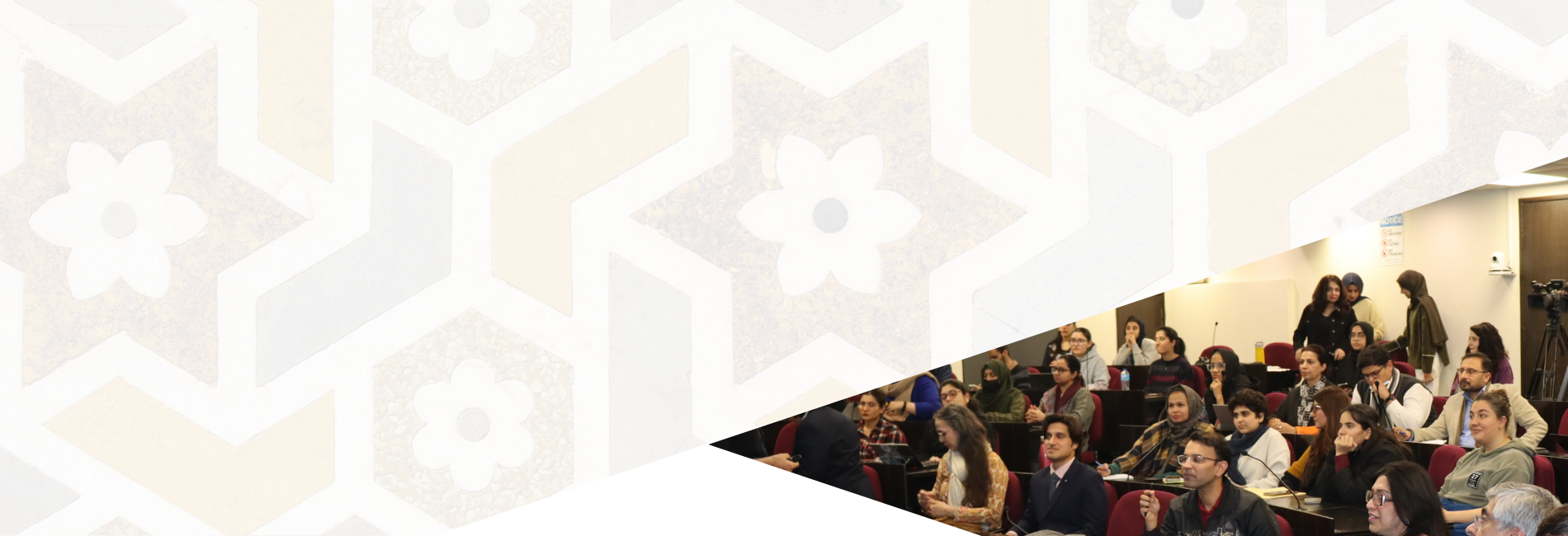
On 19 January 2026, the LUMS Syed Ahsan Ali and Syed Maratib Ali School of Education (SOE) and the Mahbub Ul Haq Research Centre collaborated to host Dr. Tahir Andrabi to give a talk titled From Learning to Earnings: The Long-Term Impacts of Improving Foundational Learning. This was part of SOE’s EduTalk series and was moderated by Dr. Tayyaba Tamim, Dean and Professor at SOE.
The accelerated rate at which the government invests in foundational literacy and numeracy (FLN) in a fiscally constrained space creates policy questions as to how effectively early improvements in learning translate into meaningful gains in schooling completion, skill acquisition, and labor market outcomes later in life.
Findings from the Learning and Educational Achievement in Pakistan Schools (LEAPS) project – of which Dr. Andrabi is the Principal Investigator – are integral to answering this question. LEAPS has followed the same children in rural Pakistan for over 15 years, from primary school into early adulthood. These findings offer a rare window into trends in learning outcomes and the long-term value of foundational learning investments.
All across the world, education promises to be a great equalizer but this, Dr. Andrabi says, is not true – if anything, it increases the gap between those who are financially secure and those who are not.
The crisis of learning is that despite a massive improvement in attendance, the ability to read and write has not improved and, globally, learning is stagnant. At the same time, Dr. Andrabi says people are functionally smarter than their test scores reflect, which is cause for hope.
However, a solvency problem worsens the learning crisis: for example, a year or two's worth of investment in Punjab may still eventually see things returning to square one. There tends to be a fadeout; tracking is not undertaken. Multiple constraints exist: because the return on education depends on interaction with other markets and not just educational institutes and schools, the reality is that even if children are skilled, it may not translate into earning because the labor market is flawed and meritocracy is not practiced. In addition, data is an issue, with a huge gap in existing research on education.
For women, moving away from home for education is difficult because of factors such as housing and transport issues, but if they do manage to study till Class 12, it tends to delays their age of marriage, which gives them more time and space to develop in their academic and professional lives.
Education is about citizenship: it is important to assess if education is helping produce better community members, parents, spouses, and so on.
Dr. Andrabi ended on a positive note, saying that each successive generation is getting more educated and the educational ecosystem is gradually becoming more productive.
Read more about LEAPS here: https://www.leaps.hks.harvard.edu/
Mahbub ul Haq Research Centre at LUMS


Postal Address
LUMS
Sector U, DHA
Lahore Cantt, 54792, Pakistan
Office Hours
Mon. to Fri., 8:30 a.m. to 5:00 p.m.